
What is Omnichannel Marketing Strategy in 2026?
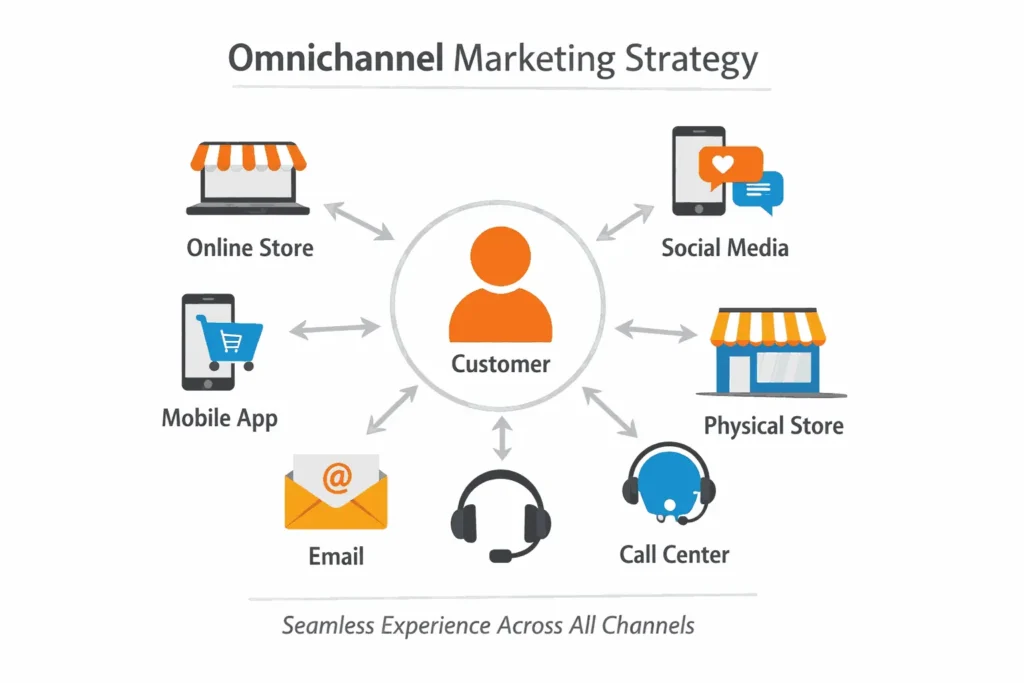
An omnichannel marketing strategy is a customer centric approach that brings together all the different marketing and communications channels to create a consistent experience. This extends beyond websites, emails and social media in 2026. From AI chatbots and voice assistants to connected TVs, in-store experiences, AR/VR interfaces and new platforms. What sets an omnichannel marketing strategy apart from the traditional approach is continuity. Each interaction adds to the last. You know your customers, remember them and deliver relevancy to then wherever they might engage you. This is what consumers demand and judge brands by.
The Shift from Channels to Journeys
The former models were based on channels, social media strategy, email strategy, SEO strategy and offline strategy. Instead, this approach revolves around customer journeys.
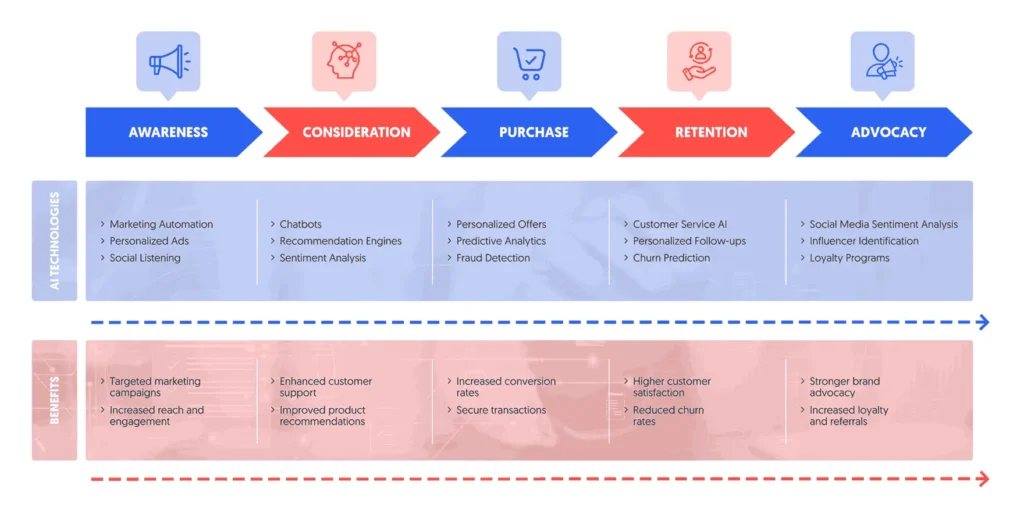
Customer journeys are not linear and predictable in 2026. A customer might stop, come back, move to a new device or change channels several times before finally committing.
Instead of, ’Which channel should we focus on?’ marketers are now asking, ‘Where is the customer, and what do they need next?’ It is this attitude that determines a good omnichannel marketing strategy.
Why Omnichannel Marketing Strategy Is Critical in 2026
It’s 2026 and customer expectations have been defined by speed, customization and convenience. Consumers expect brands to understand them within a personal context, respect their time and offer something of value from the start. This becomes possible with an omnichannel strategy.
There are several reasons why omnichannel marketing is so important in 2026:
- Customers use multiple platforms daily
- No one pays attention anymore
Customer-Centricity: The Foundation of Omnichannel Marketing Strategy
At the heart of every omnichannel marketing strategy is the customer. In 2026 customer centric marketing is not a catchword, it is an operational requirement.
A customer centric omnichannel marketing strategy uses data responsibly to understand customer attitude preferences and intent. It focuses on solving problems rather than pushing promotions.
By adding the customer at the center; an Omnichannel marketing strategy creates emotional connections that build trust and long term loyalty.
Unified Data: The Engine Behind Omnichannel Marketing Strategy
In the present scenario, successful brands commonly use customer data platforms to unify online and offline interactions providing a single customer view. Like a retail brand might use a CDP to combine data from their website, mobile app, social media, and in store purchases, enabling custom built offers and seamless customer experiences.
A strong omnichannel marketing ensures that every team (marketing,sales,and customer support) accesses the same customer insights enabling smarter decisions and better experiences. And without unified data the omni channel strategy fails and leads to inconsistent experiences.
Personalization at Scale in Omnichannel Marketing Strategy
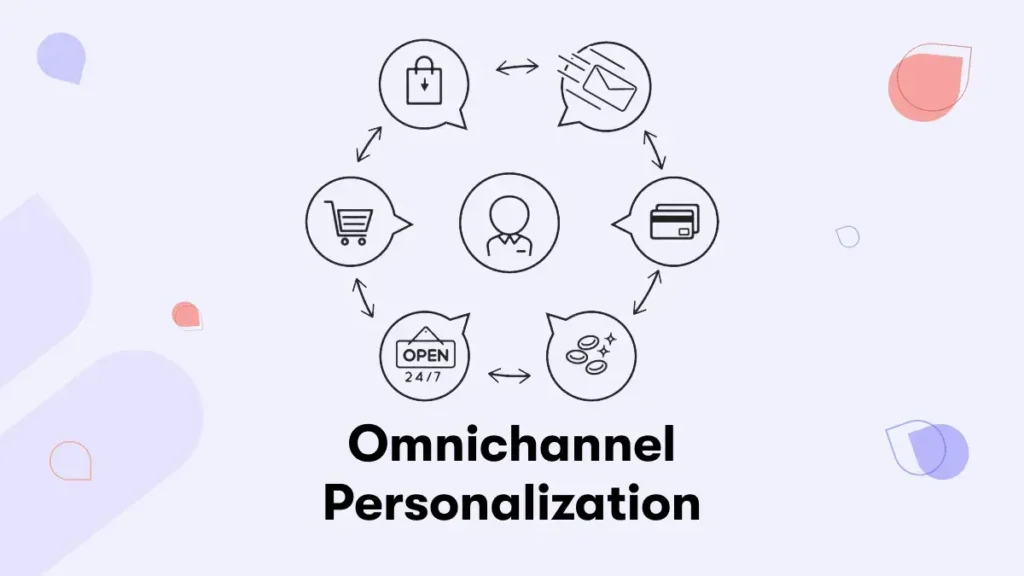
An omni channel marketing strategy uses AI and automation to deliver personalization at scale,which is the expectation in 2026.
Examples:
- Product recommendations based on browsing behavior
- Personalized emails triggered by real-time actions
- Location-based offers for in-store visits
- Customized website experiences for returning users
A skillfully done omni channel marketing strategy balances the personalization with the privacy, thus ensuring the customer with a feeling of understanding and not watching.
The Role of AI and Automation in Omnichannel Marketing Strategy
AI and automation together build a great omnichannel marketing strategy. AI(artificial intelligence) helps brands in predicting customer needs, optimizing time and select the best channel for engagement; while automation supports omnichannel strategy by enabling real time responses across various platforms.
Chatbots,automated emails,push notifications and AI driven ads work together to maintain consistency. And that’s how the omni channel marketing in 2026 is inefficient and difficult to scale without AI.
Incorporate Online and Offline Experiences
Omni channel marketing has its capacity to bridge the gap between digital and physical experiences, which is a strongest advantage
In 2026 customers expect –
- Online browsing with in store pickup
- In store experiences connected to mobile apps.
- Digital receipts and fealty programs.
- Personalized offers based on physical visits.
Omnichannel marketing removes the boundaries between online and offline creating a single brand experience.
Omnichannel Marketing Strategy and Content Consistency
Content plays a crucial role in omnichannel marketing . In 2026 consistency does not mean repeating it means organizations adapt effectively.
An omnichannel marketing ensures that messaging, tone, visuals, and values remain regular across platforms while fitting to the context of each channel.
This regularity strengthens brand identity and builds trust, a critical segment of long term success.
Challenges in Omnichannel Marketing Strategy implementation
Despite its benefits, implementing omnichannel marketing comes with challenges.
Data silos remain a major impediment . When systems and teams operate independently, omnichannel marketing becomes fragmented.
Another challenge is organizational alignment. Omnichannel marketing requires association across departments, which demands cultural change.
Technology merging and data privacy regulations also add complexity. In 2026; brands must design omnichannel marketing with ethics and acceptance in mind.
Measuring Success in Omnichannel Marketing Strategy
Measurement is essential to improve omnichannel marketing . The quality of the experience is important to measure an omnichannel marketing success rate.-Omnichannel Marketing Strategy and Trust in 2026
Since, customers are more aware of how their data is used, transparency becomes the trust element of successful marketing in 2026. And it shows responsible omnichannel marketing through respecting privacy, clear communication and delivering value in exchange for data. A brand that prioritises trust within their omni channel marketing, builds stronger and sustainable relationships.
Looking ahead,the future trends shaping the comprehensive omnichannel marketing approach indicate its continued evolution.
- Voice based commerce
- Augmented reality shopping experiences
- Predictive personalization
- Community-driven engagement
In 2026 omnichannel marketing becomes more embracing, engaging and forward- looking.
Why Omnichannel Marketing Strategy Is a Long Term Investment.
An omnichannel marketing strategy is not a campaign but a long term investment and it requires time, technology and alignment. The rewards of an omni channel marketing strategy is significant.
In a competitive digital environment, omnichannel marketing strategy is the difference between brands that survive and brands that lead.
Conclusion: The Complete Guide to Omnichannel Marketing Strategy in 2026
As marketing begins a new era, omni channel marketing strategy stands at the centre of meaningful customer engagement . It connects experience.
In this new era, success comes to those brands that truly understand their customer, respect their journeys and deliver value consistently . Omni channel marketing enables this transformation.
By embracing the integration, personalization and customer centric thinking , businesses can build omni channel marketing frameworks with resilience and are scalable and future ready.